
Is IVF Painful? What to Really Expect Step-by-Step
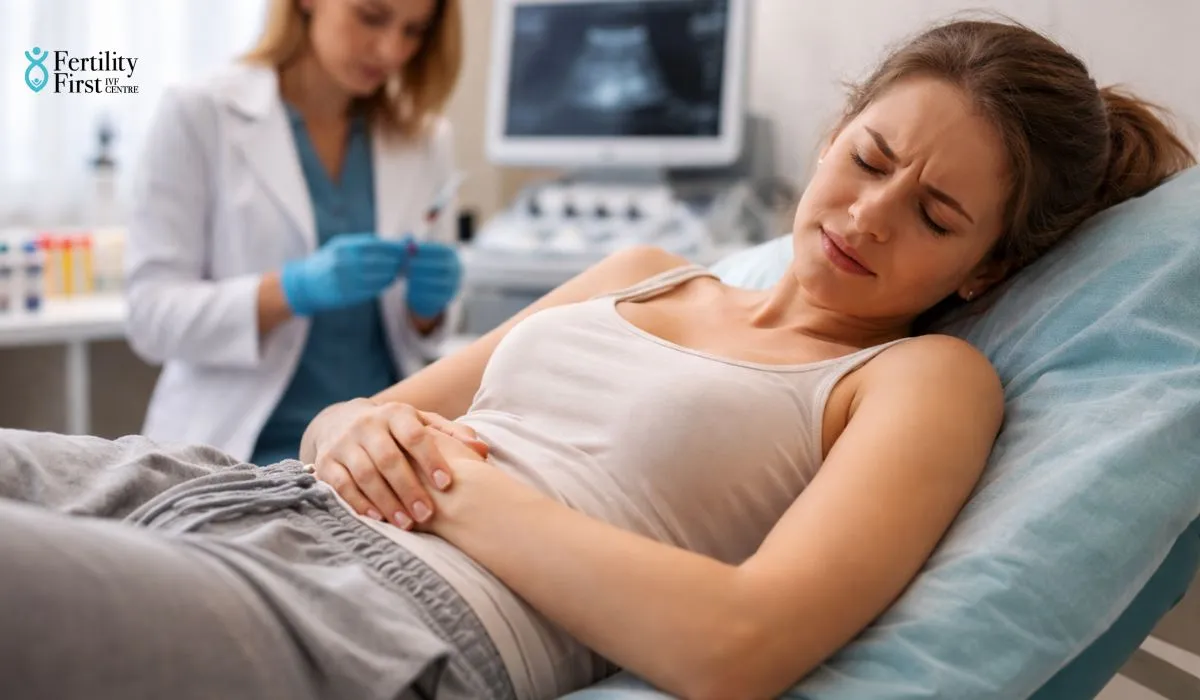
IVF (In Vitro Fertilization) offers hope to many childless couples. But one of the major concerns regarding the IVF procedure is whether it’s painful or not. The article discusses the general steps in the overall process, associated physical discomforts, and ways to manage them.
What Does IVF Involve, Step by Step?
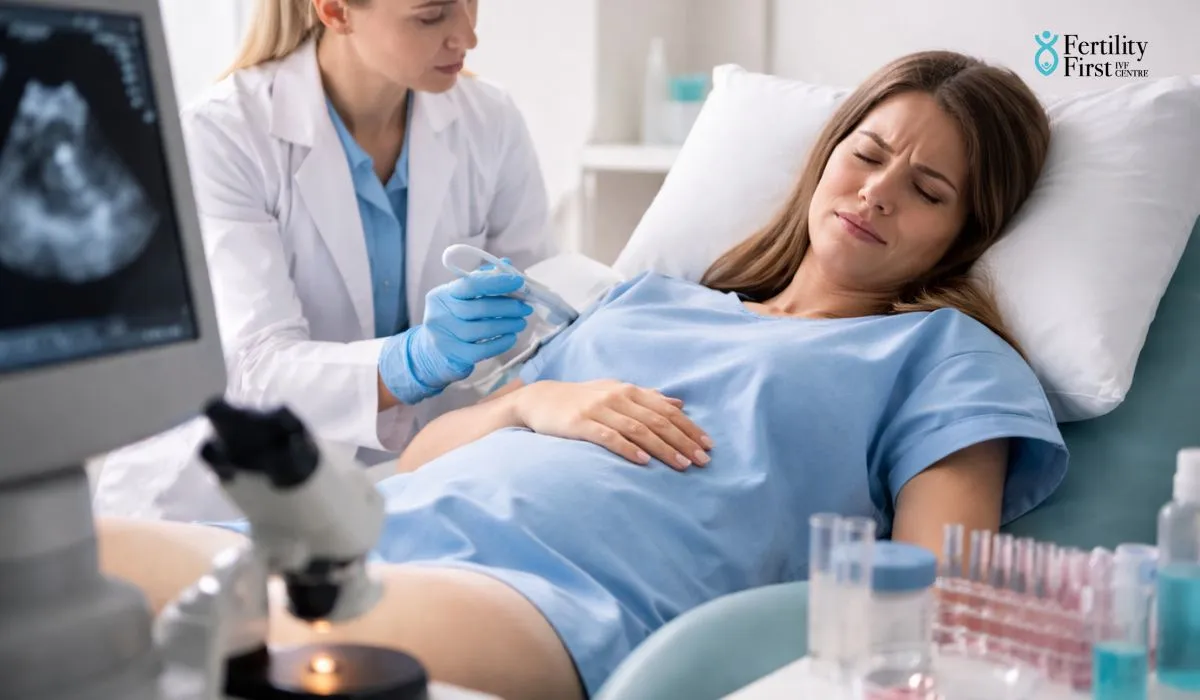
To put it simply, IVF(In Vitro Fertilization) is the process of fertilizing eggs and sperm outside the body. The overall process involves the following steps.
Step 1: Initial Evaluation
A detailed medical evaluation is done before deciding on the treatment and medication. Both partners undergo various tests such as blood tests, ultrasonic scanning, and semen analysis. After analyzing the test results, the medication and treatment are finalized.
Step 2: Ovarian Stimulation
The next step involves ovarian stimulation. Hormone injections are done to stimulate egg growth. To ensure high success rates, multiple eggs are produced at once.
Step 3: Trigger Shot & Egg Retrieval
A trigger shot is given before egg retrieval; it’s the hormone injection to induce final maturation of the eggs. Approximately 34 to 36 hours after the final “trigger shot” injection, the egg retrieval is performed under anesthesia.
Step 4: Sperm Collection and Fertilization
The sperm is gathered and fertilized with the egg outside the body.
Step 5: Embryo Culture and Transfer
The fertilized eggs are meticulously monitored and transferred approximately 3 to 5 days later.
The embryo is cultured and transferred to the uterus. Approximately two weeks later, the pregnancy test is conducted.
One of the major concerns among patients is the pain they may experience during the entire IVF process. The following section discusses the pain and physical discomfort associated with the procedure and how to manage them.
Is IVF Painful? Discomforts During the Process and How to Manage Them
While we discuss the question, is IVF painful? It’s worth noting that pain perception is subjective and is closely related to factors such as individual pain threshold, pre-existing health conditions, and anxiety levels.
An Overview of Discomfort Level During Each Step
| Stage | Discomfort Level | Common Sensation |
| Injections | Mild | Quick sting, minor bruising |
| Monitoring | Minimal | Pressure from a transvaginal ultrasound |
| Egg Retrieval | None (during) | You are sedated |
| Post-Retrieval | Moderate | Menstrual-like cramps, bloating |
| Embryo Transfer | Mild | Pressure, similar to a Pap smear |
During Hormone Injections
Most injections during the IVF process only cause mild or moderate pain. Patients may experience a pinching or stinging sensation. Other discomforts may include redness, soreness, bloating, mood change, fatigue, and headache. Among the injections, the Intramuscular (IM) Injections can cause comparatively more soreness.
The discomfort is usually managed by applying ice to the injection site, using a warm compress, taking a warm bath, keeping themself hydrated, and wearing comfortable clothing. Any other issues are usually managed under expert medical guidance.
While Undergoing Ovarian Stimulation
The generally reported discomforts during ovarian stimulation include headache, bloating, fatigue, mood swings, and pelvic tenderness. The mild cramping the patient may experience is manageable with prescribed medication.
During the Egg Retrieval procedure
The egg retrieval process is performed with general anesthesia. Hence, patients generally do not experience pain. Any discomfort, such as bloating, is usually manageable, and patients recover within 1 to 3 days. In case of the occurrence of severe pain or Ovarian Hyperstimulation Syndrome (OHSS), patients are recommended to seek medical treatment. The Ovarian Hyperstimulation Syndrome (OHSS) is a condition in which the ovaries overreact to the fertility medications. Nevertheless, severe cases of OHSS are now rare.
After Egg Retrieval
Post egg retrieval, patients may experience cramping similar to menstrual pain. Using the prescribed medicines will help to manage the pain. To avoid any other discomforts, such as fatigue, drink plenty of water, follow a healthy diet, take enough rest, and avoid strenuous activities. Having electrolytes, such as coconut water, is also recommended. But, as individual nutrient needs may vary, it is highly recommended to consult your doctor before making any dietary changes.
Pain During Embryo Transfer Experience
The embryo transfer is performed using a thin catheter under ultrasound guidance to ensure precision. The pain level is generally minimal to none. The patients may experience cramping similar to that felt during periods.
After the embryo transfer, it’s the two-week wait before the pregnancy test. During the waiting period, patients may experience anxiety and emotional stress due to uncertainty. Besides, in the case of both natural and IVF pregnancies, the patients are likely to experience mild, intermittent abdominal cramping or pelvic pain.
Conclusion
Overall, most of the discomfort during the process is manageable with proper medication and expert guidance. Besides physical discomforts, the IVF process tends to be emotionally demanding. But with the right guidance, medication, and emotional support, most of the discomforts are manageable.
Frequently Asked Questions
The IVF process is generally not considered severely painful. Any discomfort or mild to moderate pain felt during the process is manageable under expert guidance.
The “two-week wait” (TWW) between embryo transfer and the pregnancy test is mostly considered the most difficult period. It is emotionally taxing, as it involves high uncertainty.
Following a healthy eating practice is crucial. Eating nutrient-dense foods such as fruits, lean proteins, and healthy fats; limiting processed foods; avoiding excess salt; and staying hydrated are important. Taking supplements prescribed by medical practitioners and prenatal vitamins along with folic acid is crucial. Lifestyle adjustments such as exercise, yoga practice, quitting smoking, avoiding alcohol, proper sleep, and stress management are generally recommended. As for specific individuals, it is advised to consult a medical practitioner.
It’s highly recommended to avoid alcohol during the IVF stimulation.
