
Difference Between IVF and Test Tube Baby: Clearing the Confusion for Parents
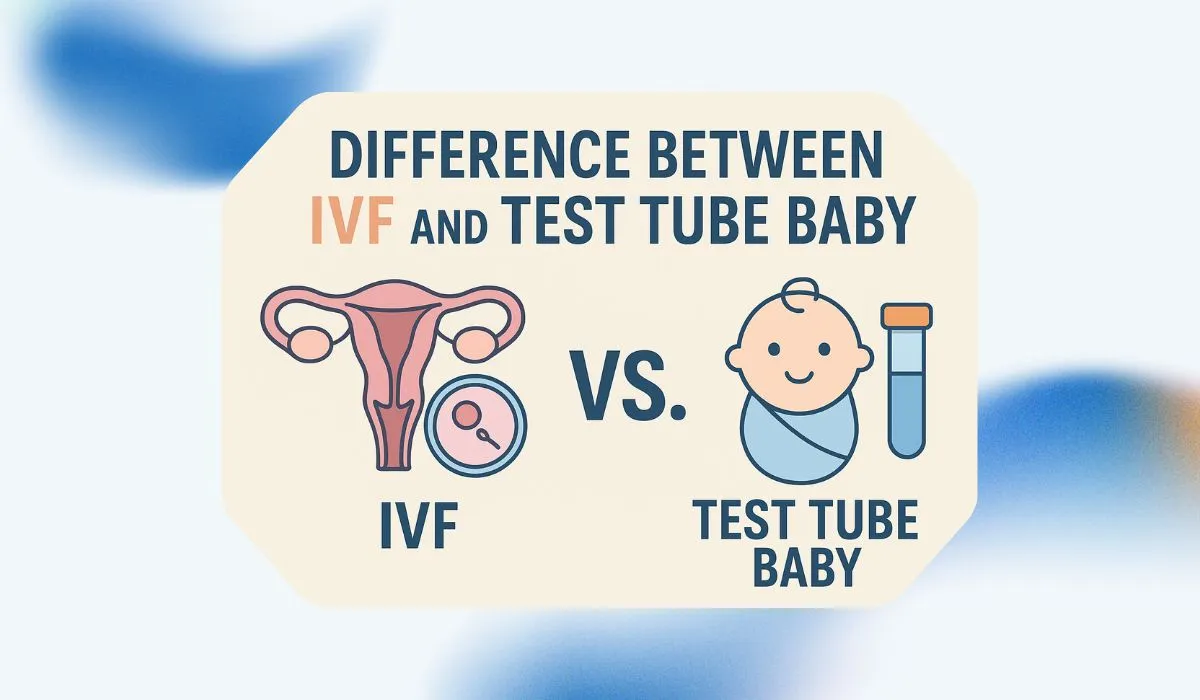
One crucial question that might arise among couples opting for fertility treatment is: What are the differences between a test tube baby and a baby conceived through IVF technology? The truth is that they both refer to the babies born through the same process, in vitro fertilization.
Understanding modern fertility techniques can help couples seeking fertility treatment navigate infertility more easily. This blog focuses on exploring how IVF works, clearing misconceptions, and explaining the similarities and differences.
What is IVF?
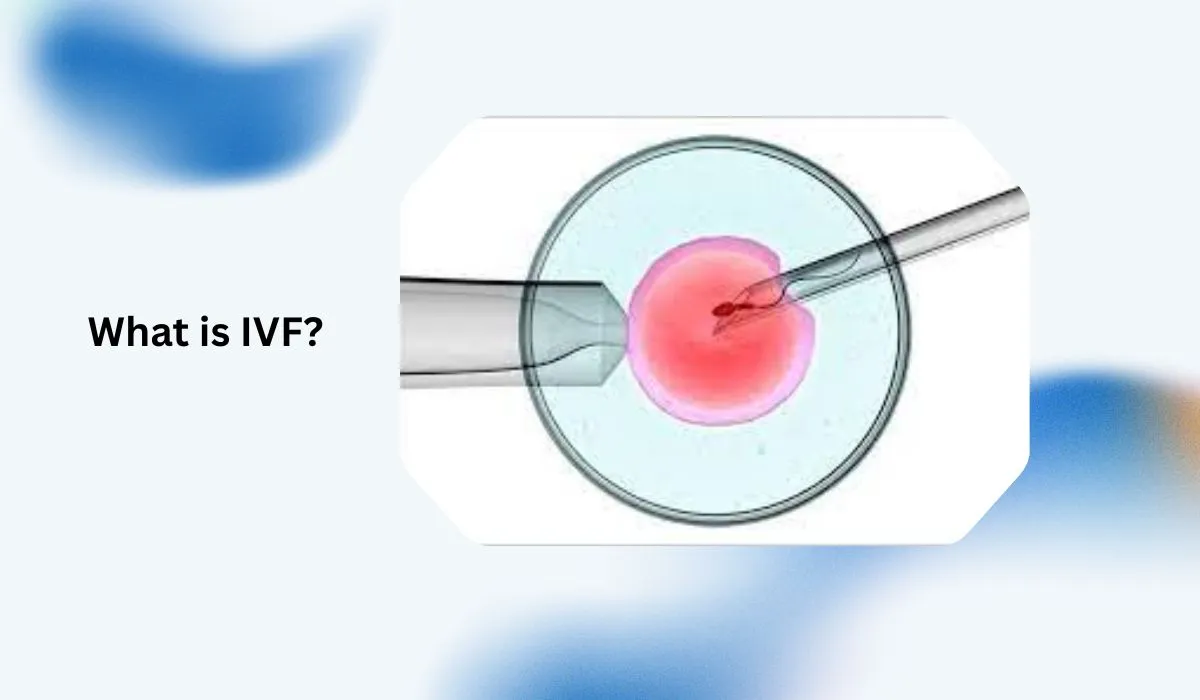
IVF, or in vitro fertilization, is the process in which the egg and sperm are fused outside the body, in laboratory conditions. The fertilized embryo is then transferred back to the womb.
The IVF is carried out in five main steps, including ovarian stimulation, egg retrieval, sperm collection, fertilization, and embryo transfer.
IVF treatment is helpful for couples diagnosed with infertility. It can also be used to produce offspring when either of the partners has a genetic disorder, or for cancer patients who want to delay pregnancy, before starting chemo and radiation therapy.
What is a Test Tube Baby?
A child conceived through IVF treatment is called a test tube baby. Coined in 1978, the term became popular with Louise, the first test tube baby in the world.
Previously, used to describe babies born through artificial insemination, test tube babies now refer to children born through in vitro fertilization. However, the usage of the term in the present scenario leads to misconceptions, as the modern IVF procedures involve petri dishes and not test tubes.
Why People Confuse IVF and Test Tube Baby
The term test tube baby is an older phrase used to describe babies born through in vitro fertilization. A test tube baby commonly means a baby conceived in a laboratory condition, and not in an actual test tube.
Test tube baby is often used interchangeably with babies produced through IVF, either out of old habit or because it is easier to understand rather than medical jargon.
Key Differences Between IVF and Test Tube Baby
With that being said, here’s a lowdown on the major differences between IVF and test tube baby:
| Aspect | In Vitro Fertilization (IVF) | Test Tube Baby |
| Definition | IVF is a medical process where the egg and sperm are fused outside the body. | It refers to the babies produced through the IVF process. |
| Process | The egg and sperm are collected and fused in clinical conditions and then transferred back to the female uterus. | The process of producing a test tube baby is the same as IVF. |
| Usage | Standard medical term used by doctors. | Used more in general conversations for easier comprehension. |
| Origin | It originated from the Latin term “in vitro”, meaning “in glass”. | A media popularized term, after the birth of the first IVF baby. |
| Perception | Considered the mainstream medical treatment for infertility. | It is often mistaken for producing babies in literal test tubes. |
In short, IVF is a medical procedure done for infertility, and test-tube babies refer to the outcome of IVF.
IVF Process Overview
IVF, as mentioned earlier, involves five major stages. This infertility treatment starts with stimulating the ovary to produce multiple eggs, which will then be retrieved with the help of a thin needle, guided by ultrasound.
Simultaneously, sperm will be collected from the semen of the male partner on the same day as egg retrieval. Once the eggs and sperm are collected, they will be left to fuse in a laboratory environment.
The fertilized eggs, or embryos, are cultured for 3 to 5 days in the lab and then transferred back to the uterus of the woman using a catheter. This procedure often results in a positive pregnancy, confirmed through blood or urine tests after 10 to 14 days of embryo transfer.
Benefits and Success Rate
IVF is a commonly used infertility treatment, resulting in babies conceived successfully outside the body, or test tube babies. The success rate of the procedure often depends on various factors like age, quality of the embryo, and even the clinic.
IVF helps couples to overcome infertility, increases the chance of pregnancy, preserves fertility in individuals who are about to undergo treatments that might impact their reproductive health, such as chemotherapy, and reduces the risk of miscarriage.
Myths and Facts
There are several myths and misconceptions related to IVF and test tube babies, which can mislead the couple from making the right decision.
- Myth #1: IVF babies are “unnatural”.
Fact: The babies produced through IVF are biological children of the parents, conceived with medical assistance.
- Myth #2: All IVF pregnancies are multiple births.
Fact: Most cases of modern IVF treatments result in singleton pregnancies.
- Myth #3: IVF is always expensive.
Fact: With the right financial planning and clinic options, IVF can be cost-effective.
- Myth #4: IVF guarantees pregnancy.
Fact: IVF improves the chance of a positive pregnancy, but does not guarantee 100% success.
Key Takeaways
IVF is an infertility treatment, and test tube babies are used to describe children born through assisted reproductive technology. The difference between the two terms is that while IVF is the scientific terminology for the process carried out, test tube baby is a colloquial usage, popularized by the media.
Frequently Asked Questions
Yes. Egg and sperm are fused to form an embryo in the laboratory.
No, IVF babies have the same physical and mental development as a naturally conceived baby.
Yes. While selecting gender is possible, it is only permitted in cases where it is medically necessary.
One cannot identify a baby as an IVF baby through physical appearance, as they appear just as same as naturally conceived babies.
There is no limit to the number of IVF rounds one can undergo. However, in most cases, doctors recommend 3 to 6 cycles.
